











AMERICAN MADE: SOUTHLAND’S LEGACY OF INDUSTRY & INNOVATION
For centuries, individuals and families have made their way to the United States in search of the American dream—and many lived it. Working their way to a life of freedom and the pursuit of happiness, they shaped the industrial and architectural landscape of the Chicago Southland, paving the way for future generations.
Throughout the Chicago Southland, there are stories of industry and innovation. Here are a few:
 Blue Island
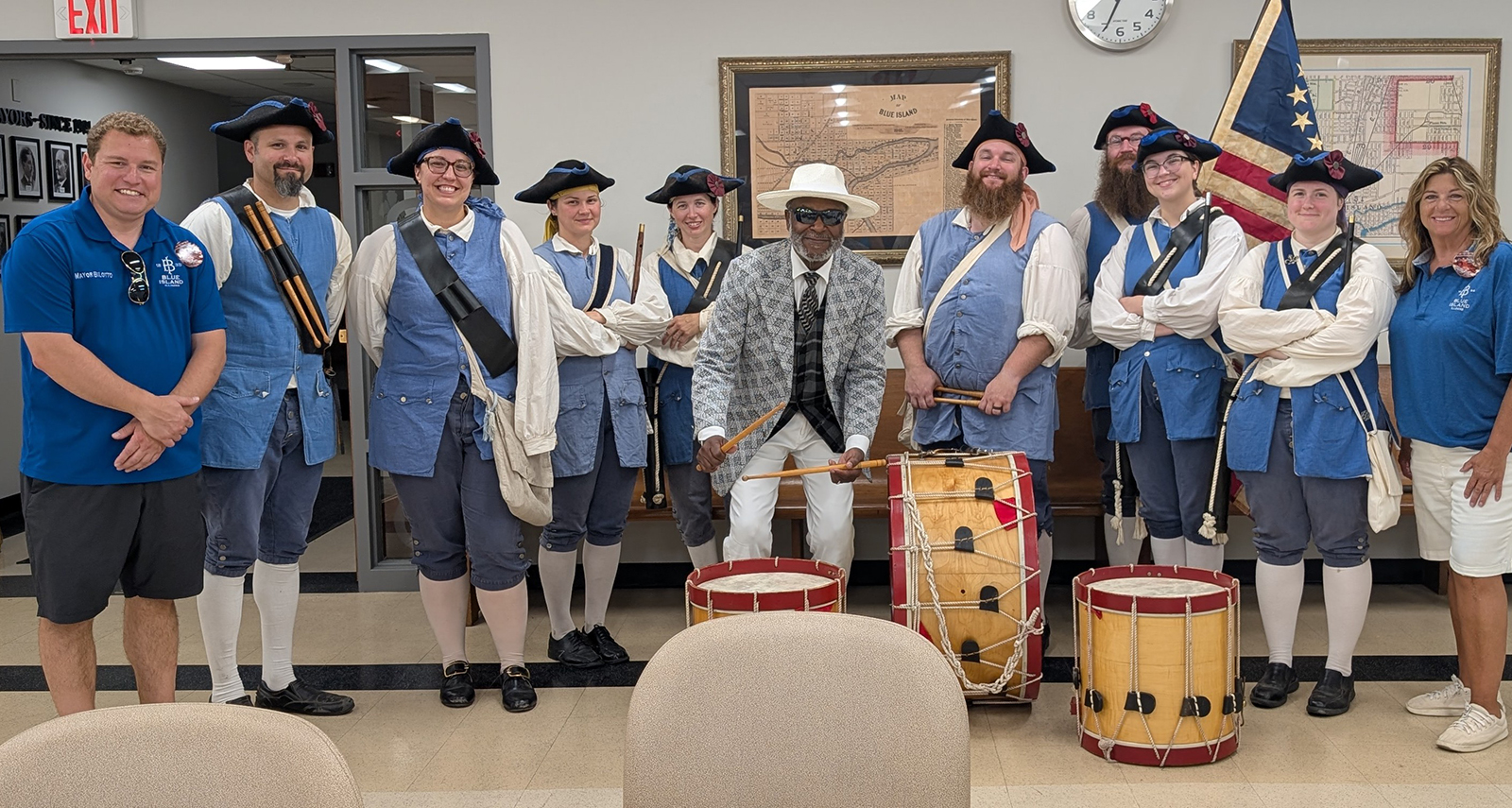
Although the country is celebrating its 250th birthday, the Chicago suburbs were not settled until decades later. One of the earliest established suburbs is Blue Island, which dates back to the 1830s and was a way station for those traveling on the Vincennes Trace. It saw tremendous growth in the 1840s during construction of the Cal-Sag Channel, a feeder canal of the I & M Canal, and status as a large brick-making center, earning it a reputation as the brick-making capital of the world. In 2007, Blue Island was one of 11 Illinois incorporated areas designated as a “Preserve America” community.
Get a bit of historical background at the Blue Island Historical Society’s Annual House Walk, which takes place each September. You can also get a dose of nostalgia by attending a live show at The Lyric Theater Blue island, which dates back to 1917.
 Pullman
The model industrial town of Pullman, Illinois, located on Chicago’s far south side, was established in the 1880s. It was built by industrialist George Pullman, founder of the Pullman Palace Car Company. Known for revolutionizing passenger rail travel with luxurious sleeping cars, the company introduced this concept of an all-inclusive community where its employees lived within steps of their workplace in a compact area that had all the amenities of an incorporated village. It had a significant influence on urban planning and design and also shaped history as the site of the 1894 Pullman Strike and Boycott that led to scrutiny of labor conditions and ultimately helped create change in the labor climate.
The 4,000-acre factory town included more than 1,000 homes and public buildings, many of which still stand today. In 2015, the area was established as the Pullman National Monument and became a national historical park in 2022.
 Park Forest
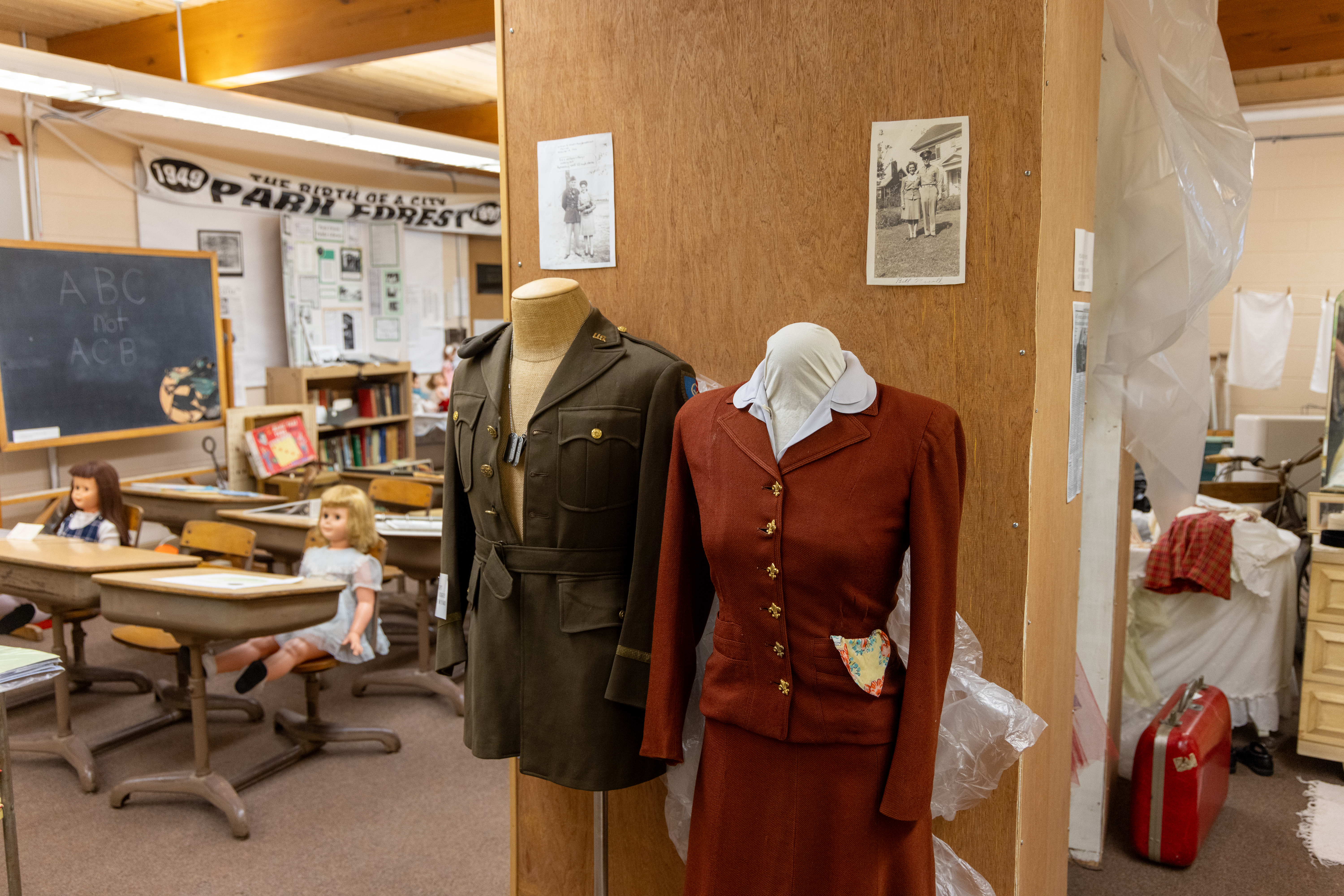
In 1946, a planned development in Chicago’s south suburbs became the country’s original G.I. Town. Park Forest was designed as a planned community to provide housing for veterans returning from World War II. The village would provide a variety of housing options for over 5,000 families, an extensive park system, one of the first shopping centers in the country and a town hall. The first residents settled there in 1948, and in 1949 it was incorporated as a village. Over 3,000 families had settled into their new homes by 1950. In 1954, it was honored as an “All-American City,” and today you can visit the 1950s Park Forest House Museum to learn more about the historic community and see artifacts from the era.
 Lincoln Highway
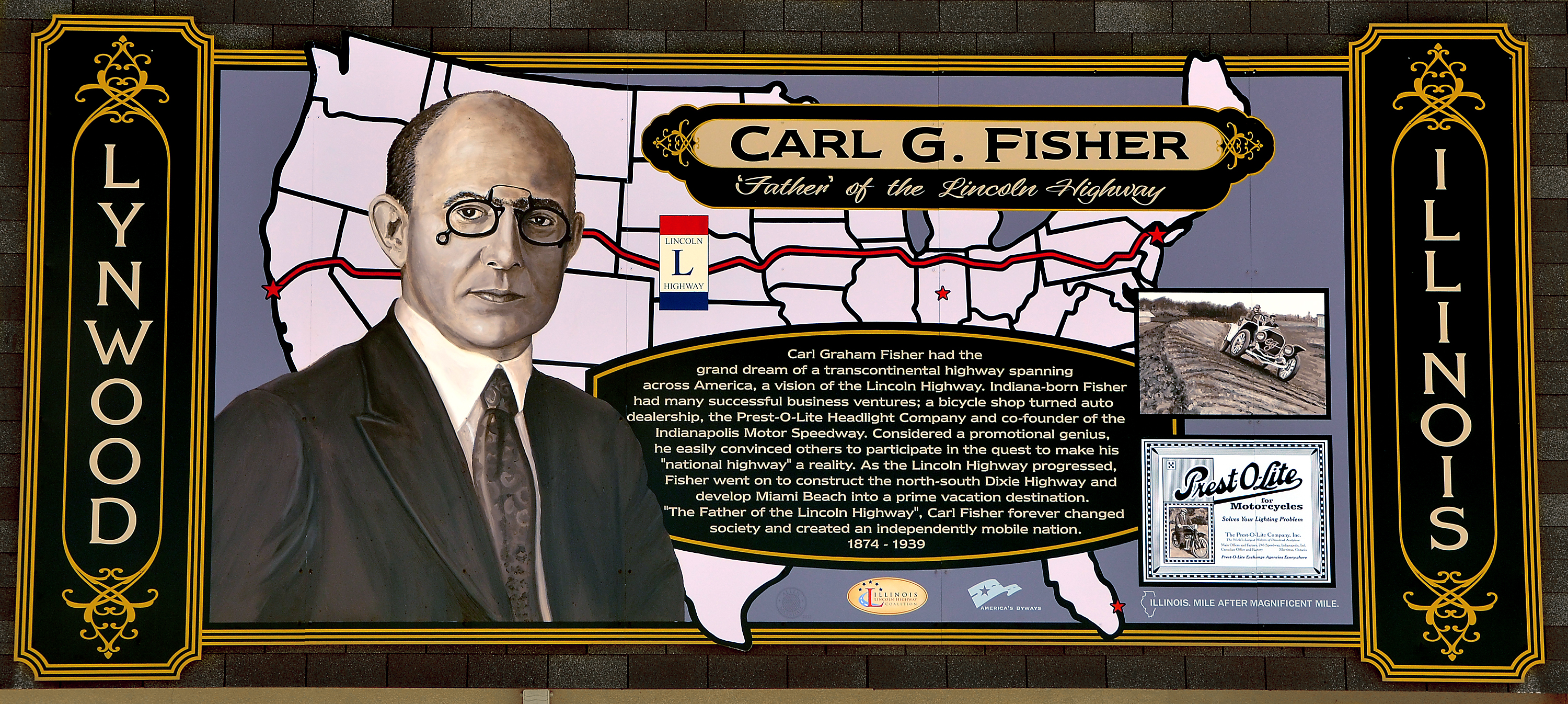
The Lincoln Highway was America’s first coast-to-coast road, laid to accommodate the influx of automobiles being produced and used for travel. The route passes through the Chicago Southland along U.S. Route 30 and through several Chicago Southland communities, stretching from Lynwood to Mokena. The Lincoln Highway was officially dedicated in 1913 and gave early motorists a much easier way to travel to other parts of the country while serving as a catalyst for future highway expansion through the United States. Within the Chicago Southland, you can view interpretive murals and gazebos along the way.
 Ford Hangar
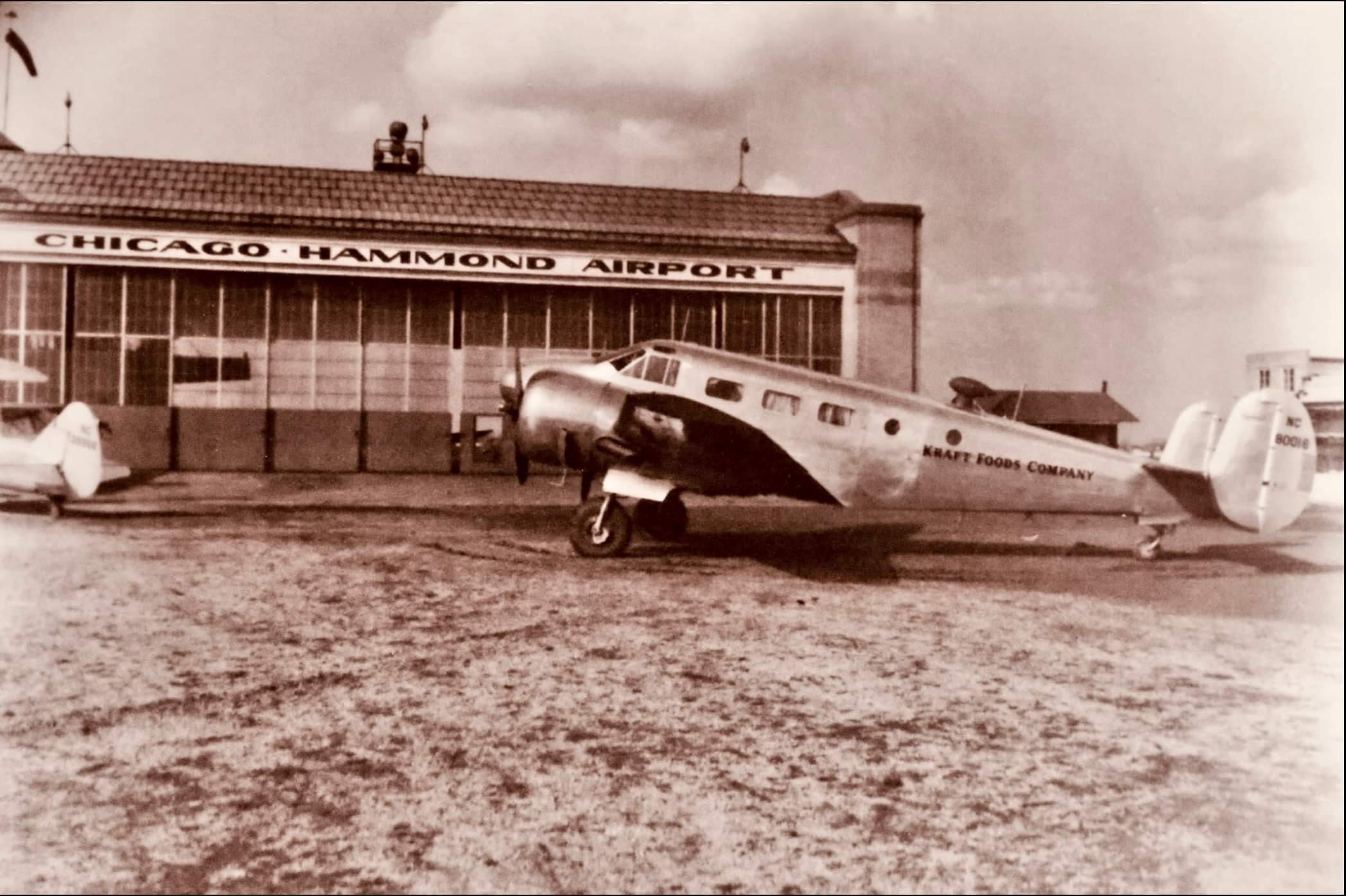
The Chicago Southland was and still is a key site in automobile production, with factory facilities located on Chicago’s south side and in Ford Heights. In 1927, Henry Ford had the hangar built in Lansing, Illinois, to connect his manufacturing plants with his factories in Detroit and to produce and display his Ford Trimotor planes. He purchased 1,400 acres of farmland to build the airport that would include a hangar designed by renowned architect Albert Kahn, using an innovative cantilevered construction method. This landmark still stands today and is used as an event space for public and private events.
 Thornton Quarry
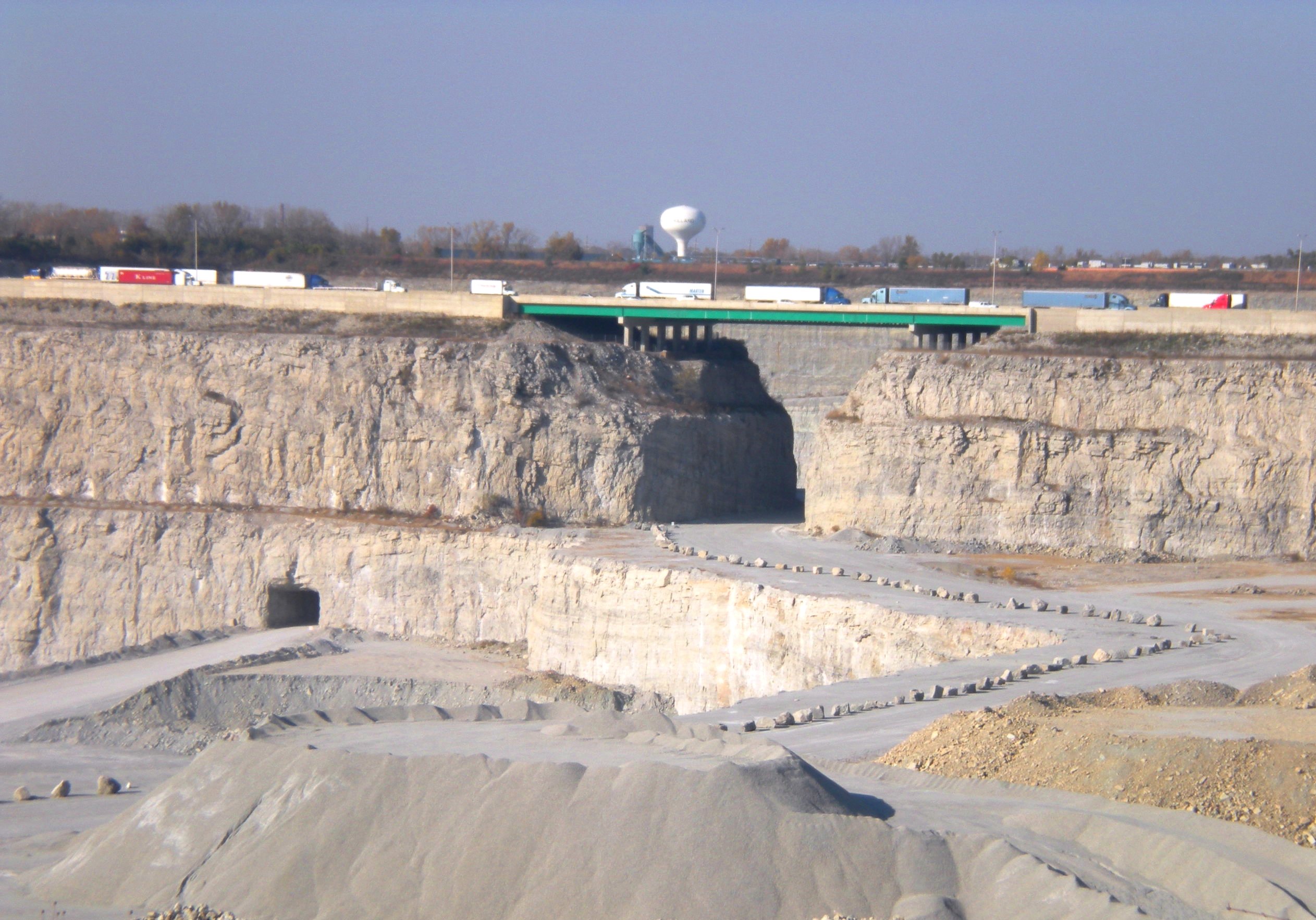
The Chicago Southland is home to one of the largest quarries in the world at 1.5 miles long, a half-mile wide and 450 feet deep at some points. The first settlers arrived in the area in 1834, and the first quarry was dug in 1836. It is still in operation as the second-largest commercial stone quarry on the planet, producing sand, stone and other products. The Thornton Historical Society hosts a highly popular quarry tour twice a year where participants are taken by bus into the quarry to get a close-up look at what most people can only view from above and search for remaining fossils left from creatures who existed millions of years ago when the area was covered by the ancient Silurian Sea. Email quarrytourthorntonhs@gmail.com to make a reservation for an upcoming tour. The tours are currently booked through 2027.
Get a taste of history:
Several communities have historical societies that have museums or operate historic structures featuring exhibits on the industrial history of the area. Find a list of historical societies here https://www.visitchicagosouthland.com/historical/571/artculture.
TAKE A TOUR
Want to get a closer look and learn more about some of the Chicago Southland-made products of the past and present? Take part in a tour!
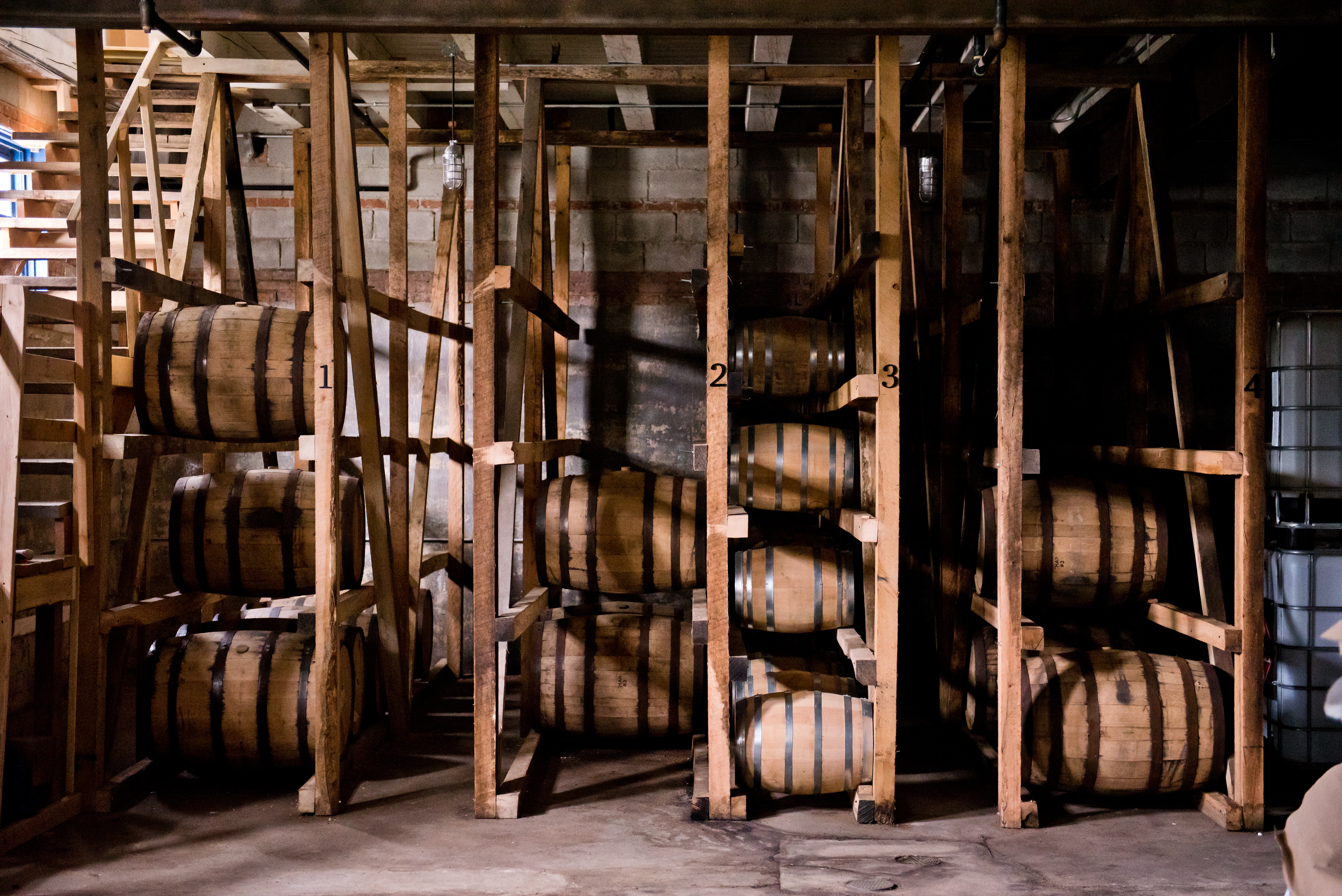 Thornton Distilling Co. offers a 45- to 60-minute tour of the 1857 building, which is Illinois’ oldest standing brewery. Hear the fascinating history of the site, from recovering from a 1901 tornado to dodging Prohibition-era raids.
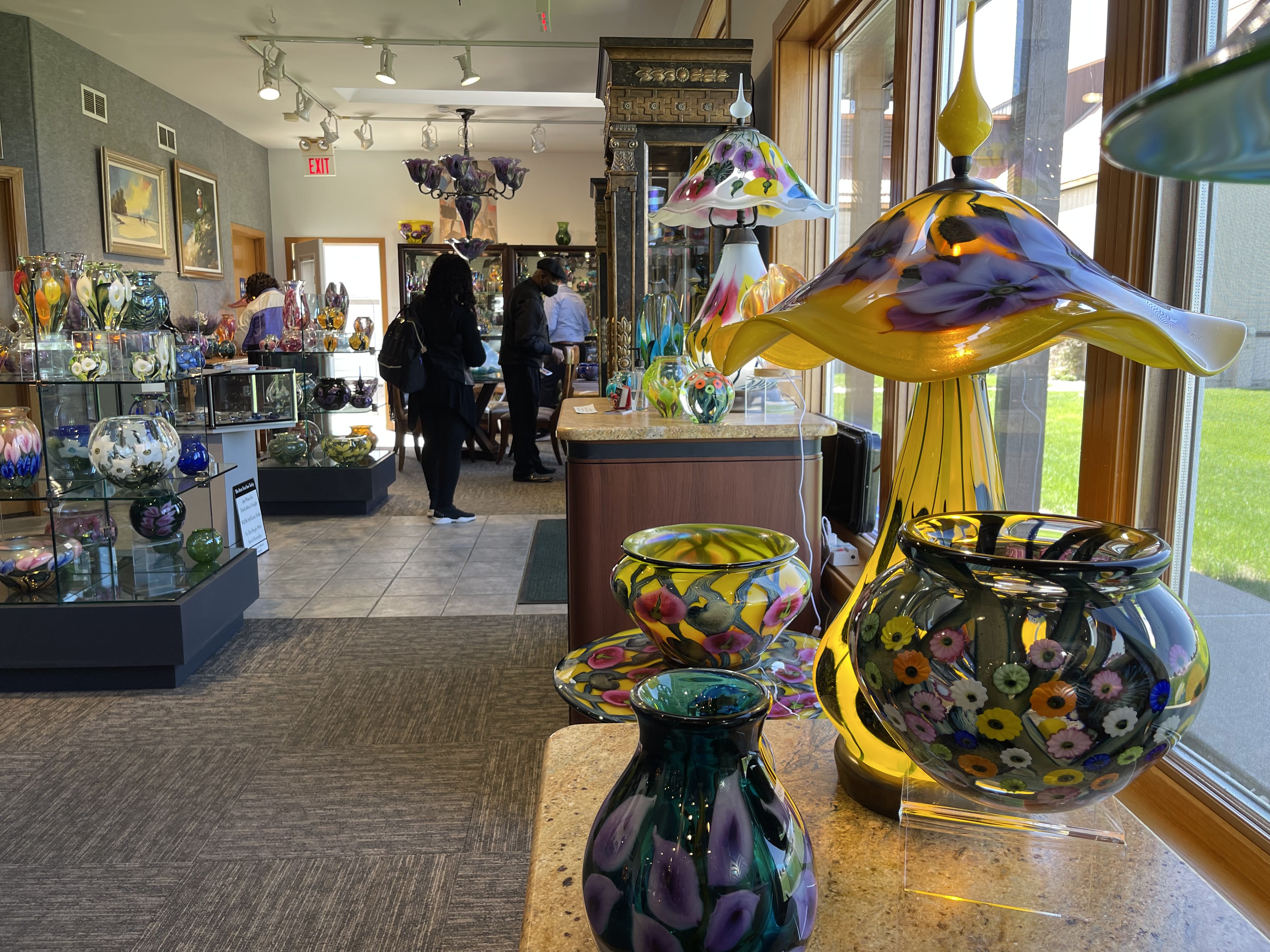 Lotton Art Glass Gallery & Studios in Crete is open to the public Monday through Friday, You can watch glass artisans at work and see the process of what goes into making one of these attractive, intricate glass art pieces.
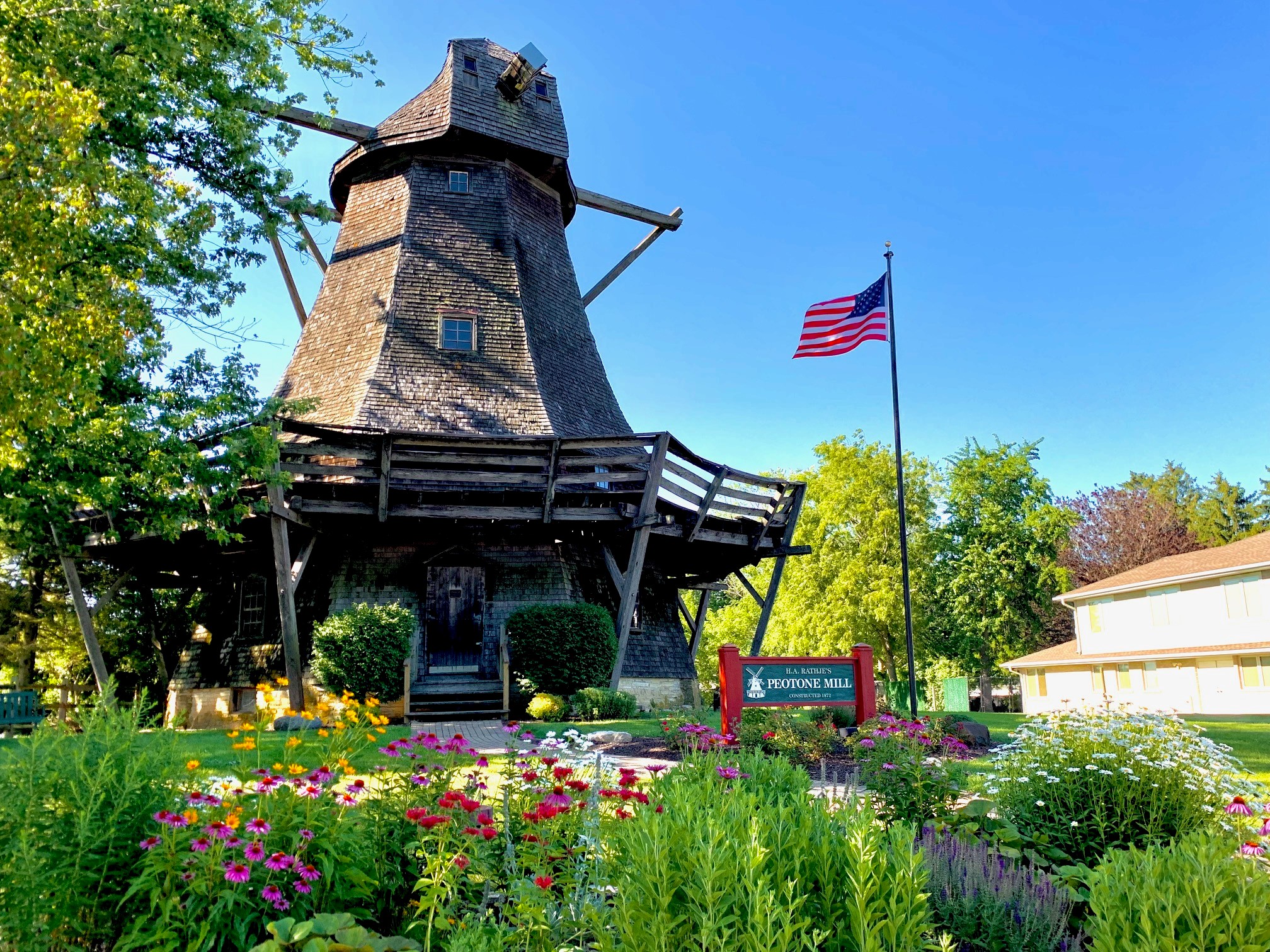 Peotone Mill was built in 1872 and is listed on the Will County National Register of Historic Places and also the National Register of Historic Places. Built by the Rathje family, the mill provided a variety of grain products for animal feed and baking uses. After sitting idle for nearly a century, it was donated to the Village of Peotone and restored by the Peotone Historical Society. Tours are available during their hours on Sundays from May to late October or by appointment.
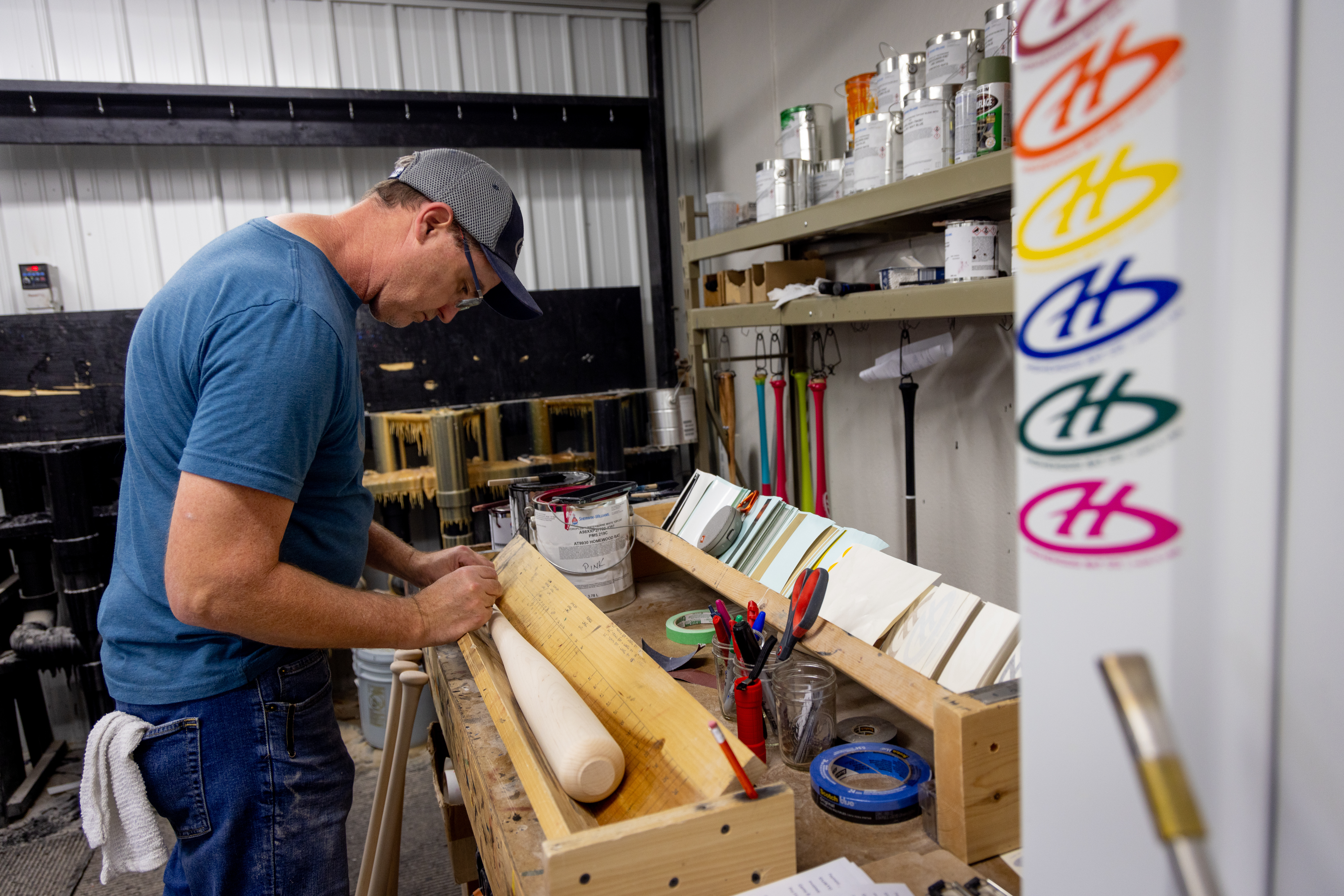 Homewood Bat Co. has produced baseball bats for dozens of professional players. Stop in for a tour, watch a baseball bat being made and test out different bat models in the cage to find the perfect one for your swing.










THINGS TO DO
EVENTS
DINING
ACCOMMODATIONS
PLAN YOUR TRIP
BLOG
MEETINGS
SPORTS
GROUP TOURS
SOCIAL EVENTS
MEDIA
MEMBERSHIP
ABOUT US
FACEBOOK
YOUTUBE
TWITTER
INSTAGRAM
LINKEDIN
TRIP ADVISOR
CONTACT US SITE MAP PRIVACY POLICY & DISCLAIMER ACCESSIBILITY STATEMENT
© Copyright 2001-2026 Visit Chicago Southland. All Rights Reserved. Developed by J Rudny, LLC
4801 Southwick Drive, Suite 225 | Matteson, IL 60443-3102
(708) 895-8200 | Toll Free (888) 895-8233 | FAX (708) 895-8288