









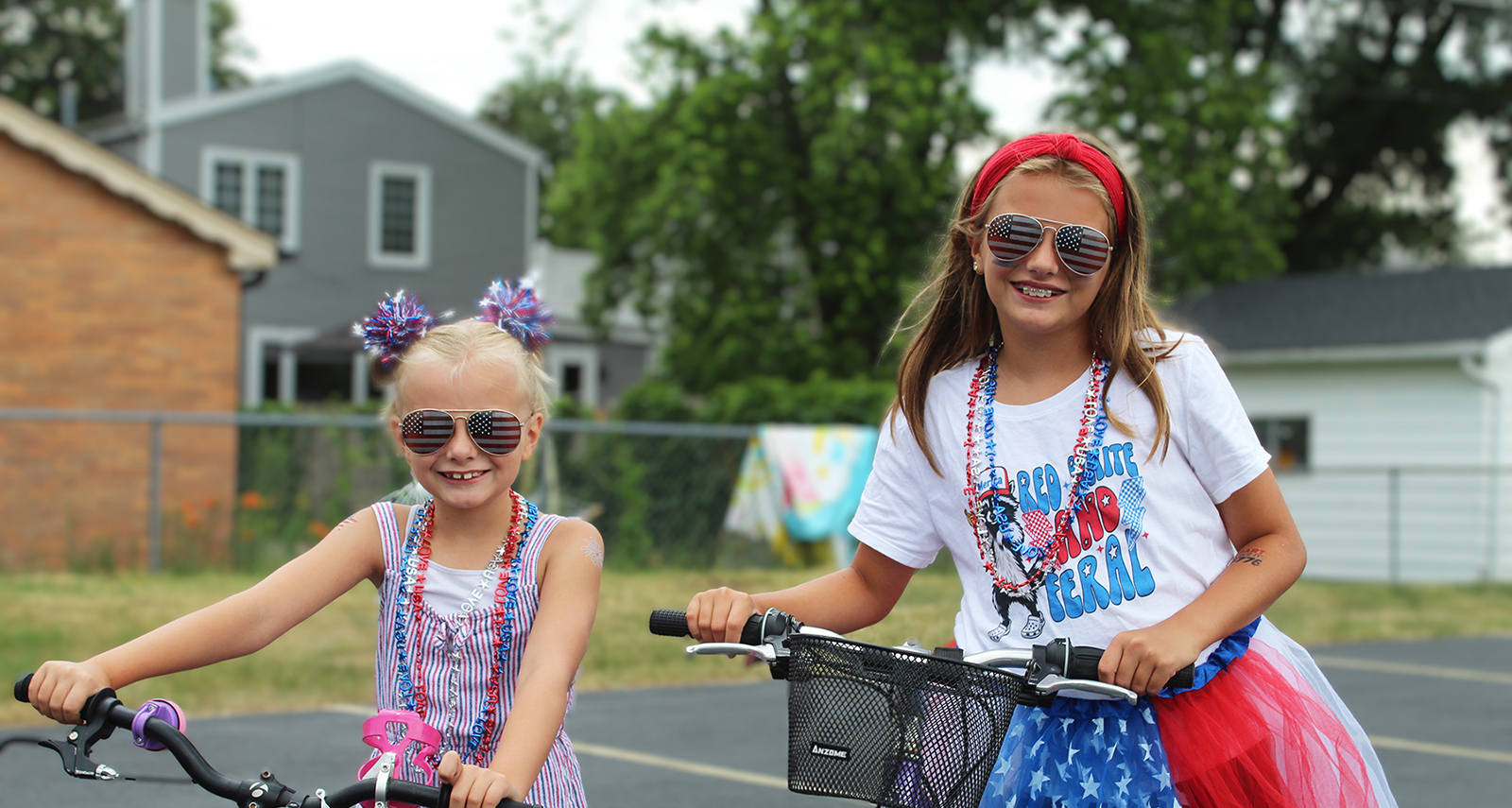

1776 – 2026 Commemorations in Chicago Southland
Larry McClellan
250 years ago, as the founders were debating and then declaring our national independence in 1776 in Philadelphia, far to the west Chicago Southland had well-established communities. Composed of people of the Council of Three Fires – the Potawatomi, the Ojibway and Ottawa—there were four year-round settlements here: on the Little Calumet River east of Blue Island; on Thorn Creek near Thornton; on Hickory Creek near New Lenox; and in the hills north of the Saganashkee Slough near Palos Hills. These were settled, year-round villages in places where their ancestors had hunted and fished for thousands of years.
In 1776, First Peoples and the French, British and American traders used the creeks, rivers and lakes as highways. In addition, two roads hundreds of years old crossed the Southland: first, the Sauk Trail, reaching from Native American cities on the Mississippi River to Detroit, the great center of trade; and second, the Vincennes Trace, from the Ohio River to Chicago, which became Hubbard’s Trail, the Dixie Highway and State Route One.
Thus, by 1776, the Chicago Southland began to take shape, with four communities and connections by water and roads. Already, it was a significant region of commerce and connections, related to the tiny villages that became Chicago.
For people on the eastern seaboard, this was almost unknown territory, part of America’s wild, western frontier. But some folks were “heading west.” By the country’s 50th birthday in 1826, the Southland had grown with additional communities of Native Americans and a handful of settlers from the East Coast.
Within 10 years, by 1836, there was dramatic change. Most of the Native Peoples were forced to leave, and Blue Island, Crete and a few other farming communities were growing. The War for Independence was still a fresh memory and four Revolutionary War veterans settled in and near the Southland. Ebenezer Collins served with New York troops. He settled in Homer Township and is buried in Lockport. John Cook, of New Jersey, served with the militias of that state. He settled in Will County, possibly in the eastern part, and is buried in Joliet. Charles Denney was a native of New York and served with New York troops. With his family, he settled at the edge of Mokena and is buried in the pioneer cemetery there. William Hewes was born in Massachusetts and served with New Hampshire troops. He moved with his family to Crete and is buried in the historic Crete Cemetery.
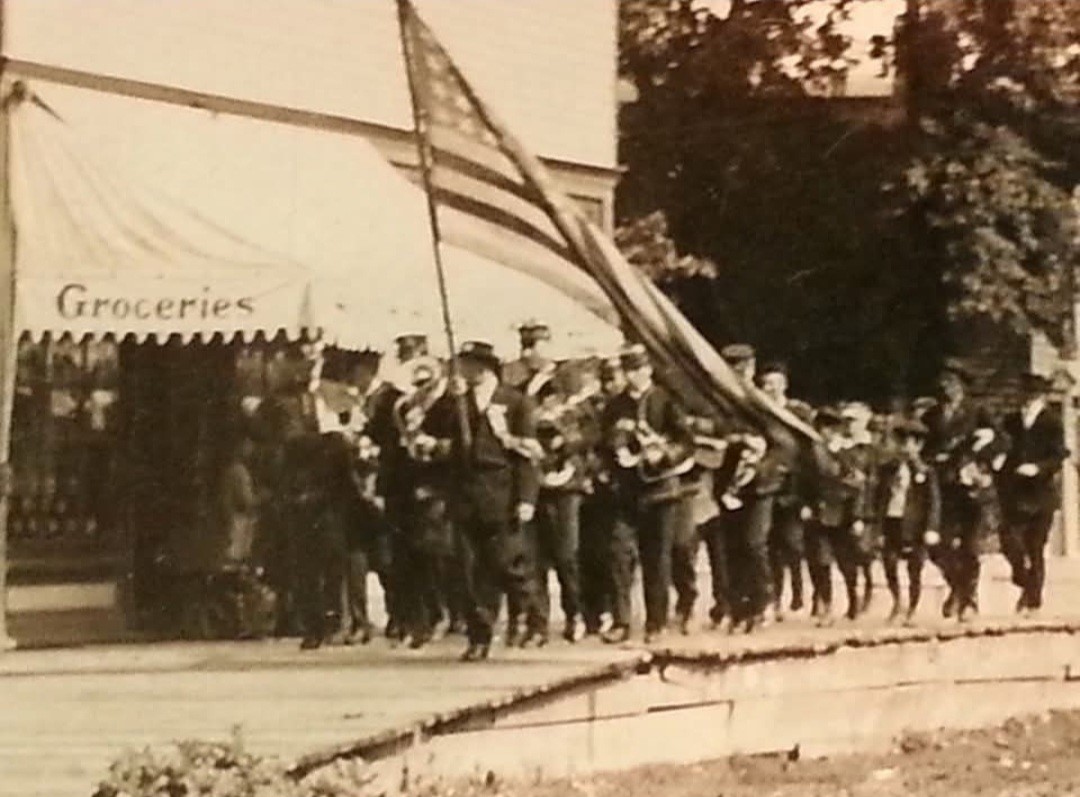
The American Centennial in 1876 was truly a national celebration. Across the Southland, Centennial celebrations were shaped by immigrant experience. Irish families, living and working along the I & M Canal, celebrated their new country in Willow Springs and Lemont. German families, many still speaking the language, were among the leaders in Bremen (Tinley Park), New Strassburg (Sauk Village) and Bloom (Chicago Heights). Dutch immigrant families celebrated in South Holland and nearby settlements. Fireworks and bonfires lit the skies in the well-established towns of Blue Island, Thornton and New Lenox. Monee, Matteson and Homewood celebrated as railroad towns. Other Southland communities were just beginning to take shape.
In 1926, the 150th anniversary saw 4th of July celebrations in Southland communities, with fireworks and patriotic speeches. However,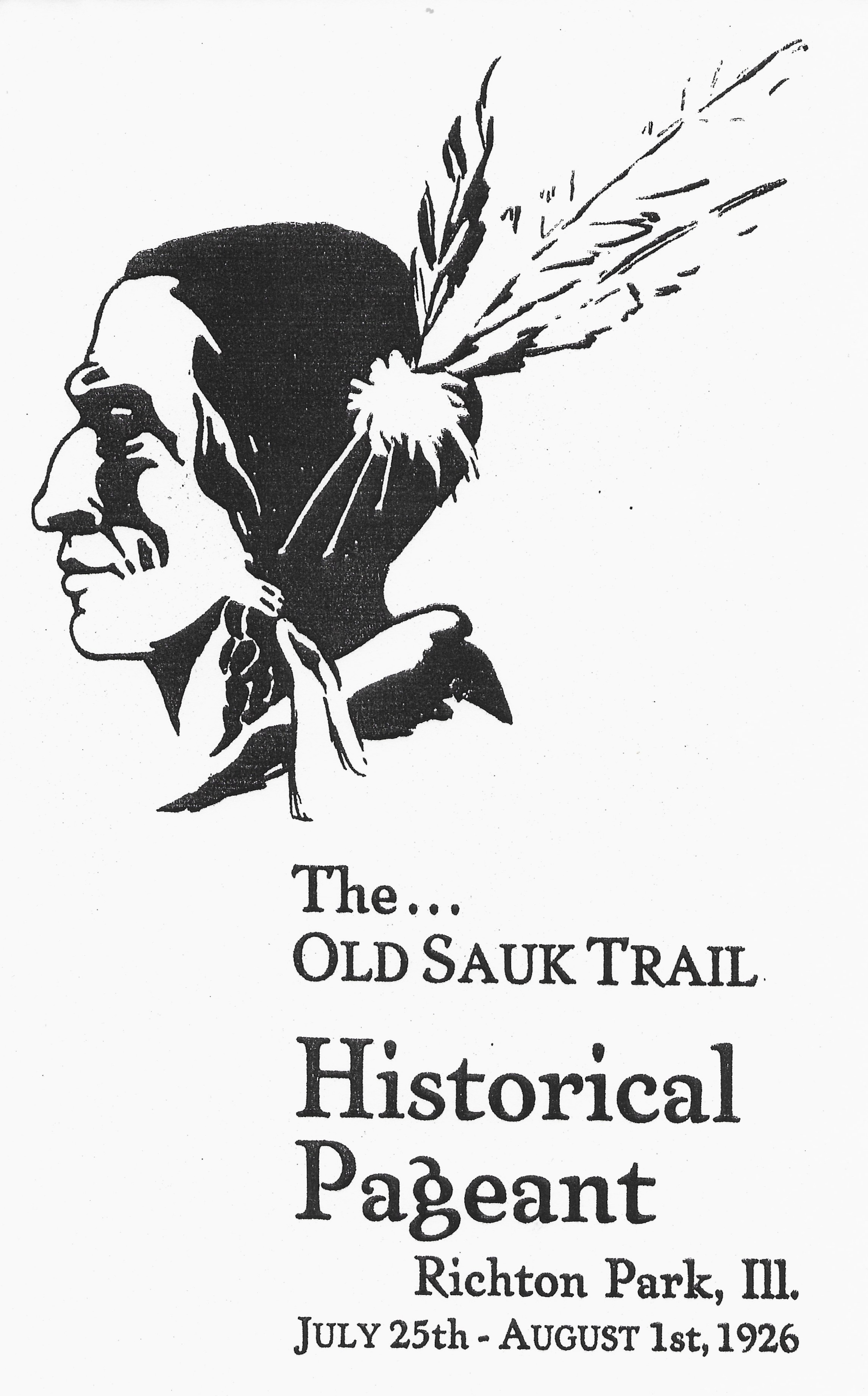 these were overshadowed by anticipation for a remarkable “Old Sauk Trail Pageant” in Richton Park from July 24 through August 4. Thousands came to celebrate the history of the Sauk Trail, the extension of the Illinois Central Electric Line for commuters and to showcase the grand new suburban development of Richton Park, with its new station on the Electric Line. The village was incorporated that year.
Thousands attended the opening on a Saturday. Fifty Chippewa had arrived, along with 50 buffalo from Canada. The daylong pageant included scenes of an Indian raid, Indian dances, a stagecoach holdup and the “last, great Buffalo hunt” with Chippewa and bison stomping about in a large arena. It was a great day, and the weeklong celebration opened, the first pageant of its kind in the Chicago region.
Totally unnoticed in that year was work by state highway departments across the country to fashion a national highway system. Near the end of 1926, Lincoln Highway became U.S. Route 30; a long stretch of 159th Street became U.S. Route 6 and along the western edge of t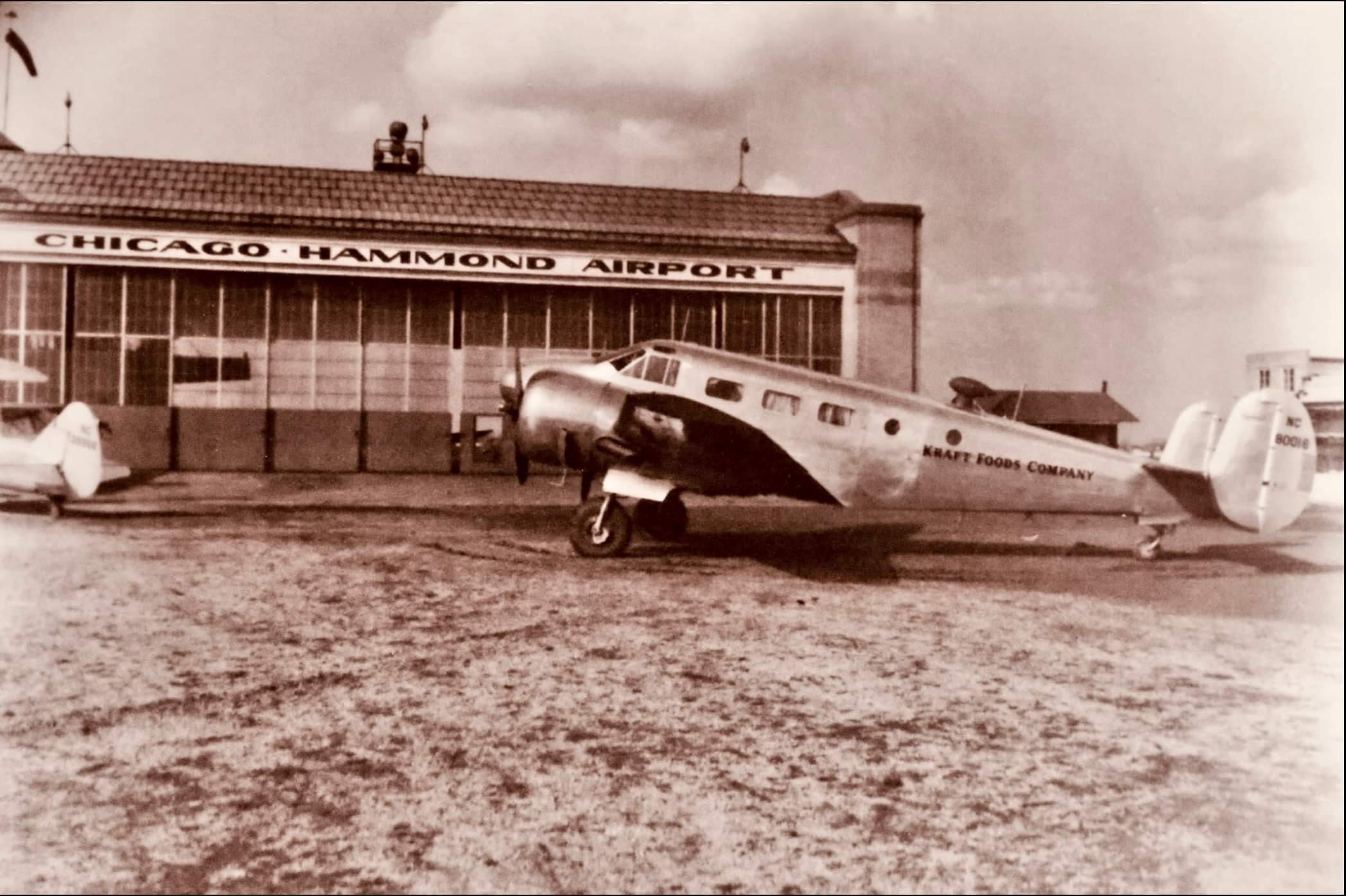 he Southland, several old roads were designated as Route 66. Parallel to this, and also little recognized in 1926, Henry Ford had a hangar built at the Lansing Airport to serve his expanding automaking empire. This was a major step in the development of airports, and the hangar contains one of the very first spaces for handling passengers on airplanes!
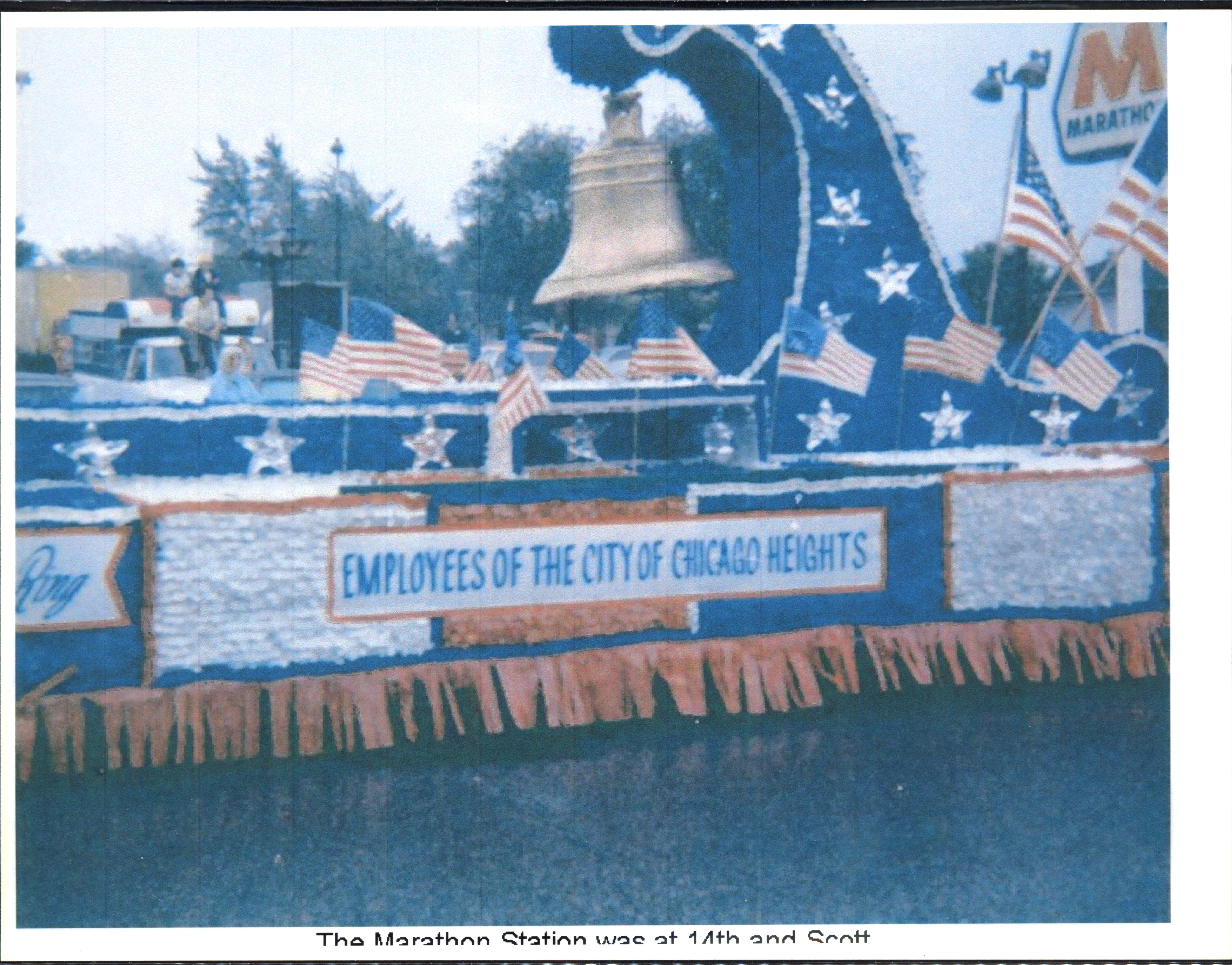
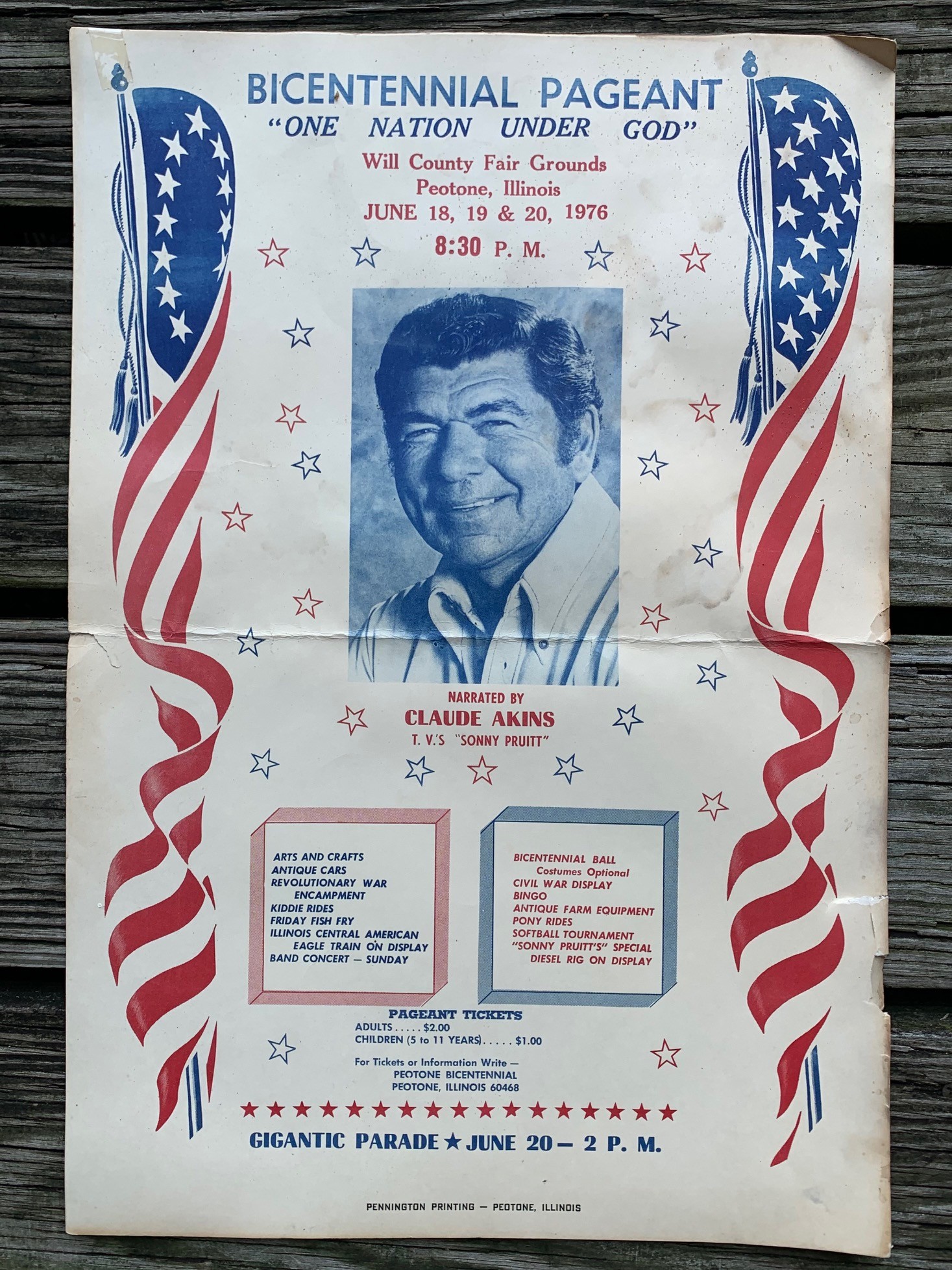
The most remarkable range of commemorations were for the Bicentennial in 1976. Throughout 1975 and 1976, there were creative national events: A Freedom Train visited the 48 contiguous states and a wagon train traveled from Washington State to Valley Forge, Pennsylvania. There were commemorative coins, flags, monuments, gardens, reenactments and essay contests.
In the Southland, every town and every school was involved. Tinley Park hosted overnight the National Wagon Train; Dolton schools had a play, “Happy Birthday, America;" Oak Forest 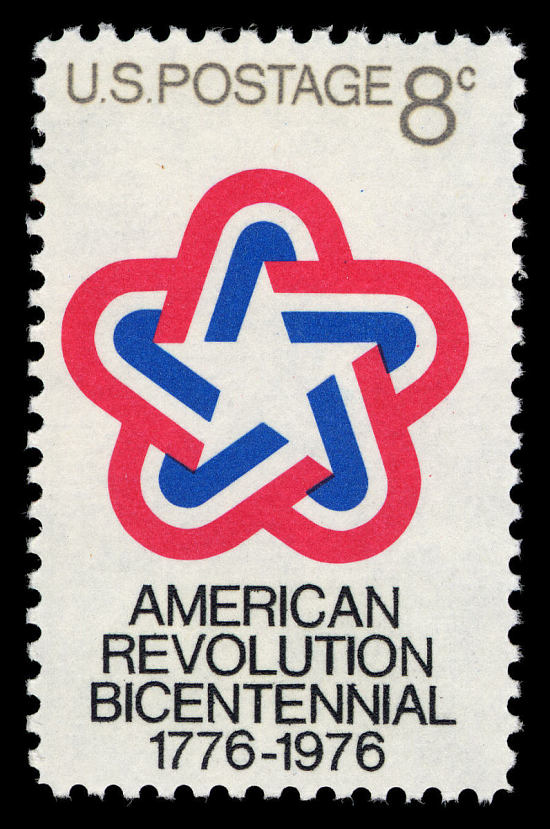 published a stamp album; Midlothian had a Bicentennial book program; and with its strong programs, Thornton Community College (now South Suburban College) was designated a Bicentennial School. These and similar responses grew everywhere. Banks in the Southland offered Bicentennial calendars and plates. The Star Newspapers were so taken by the energy that it declared these “Bicentennial efforts dredged up a community spirit” everywhere and perhaps, they suggested, the various Bicentennial commissions should be made permanent to continue that spirit.
So now, we are headed into our national Semiquincentennial, but let’s call it our 250th Birthday of Independence. 2026 will also commemorate the 100th birthday of the Village of Richton Park and the 100th anniversary of that remarkable Old Sauk Trail Pageant. In addition, this is the 100th birthday for the historic Ford Hangar at Lansing Airport in Lansing and the 100th for Route 66!
Hopefully, across the Southland, we will join in diverse birthday celebrations for this, our diverse country. As we gather up our history, let us remember that, in part on our behalf, 250 years ago, a brave group banded together so that we all could have “life, liberty and the pursuit of happiness.”









THINGS TO DO
EVENTS
DINING
ACCOMMODATIONS
PLAN YOUR TRIP
BLOG
MEETINGS
SPORTS
GROUP TOURS
SOCIAL EVENTS
MEDIA
MEMBERSHIP
ABOUT US
FACEBOOK
YOUTUBE
TWITTER
INSTAGRAM
LINKEDIN
TRIP ADVISOR
CONTACT US SITE MAP PRIVACY POLICY & DISCLAIMER ACCESSIBILITY STATEMENT
© Copyright 2001-2026 Visit Chicago Southland. All Rights Reserved. Developed by J Rudny, LLC
4801 Southwick Drive, Suite 225 | Matteson, IL 60443-3102
(708) 895-8200 | Toll Free (888) 895-8233 | FAX (708) 895-8288